

Since the rapid spread of globalization, the way that cities assert their dominance is no longer through the accumulation of luxuries or impressive castles. Today for a city to assert its position on the global stage, it needs to adopt components of technological information; more specifically, it has to become a ‘smart city’. An article published by Irish academic, Rob Kitchin, defines a ‘smart city’ as a city that embraces information and communication technologies as a development structure for the regulatory and entrepreneurial effects and their urban fabric (2014). Ultimately, a smart city develops its economy and city infrastructure (i.e., public services) through technology and the promise of innovation. One of the most successful examples of the development of a ‘once overlooked’ city into a global powerhouse through the transformation into a smart city is the case of Málaga in Spain.
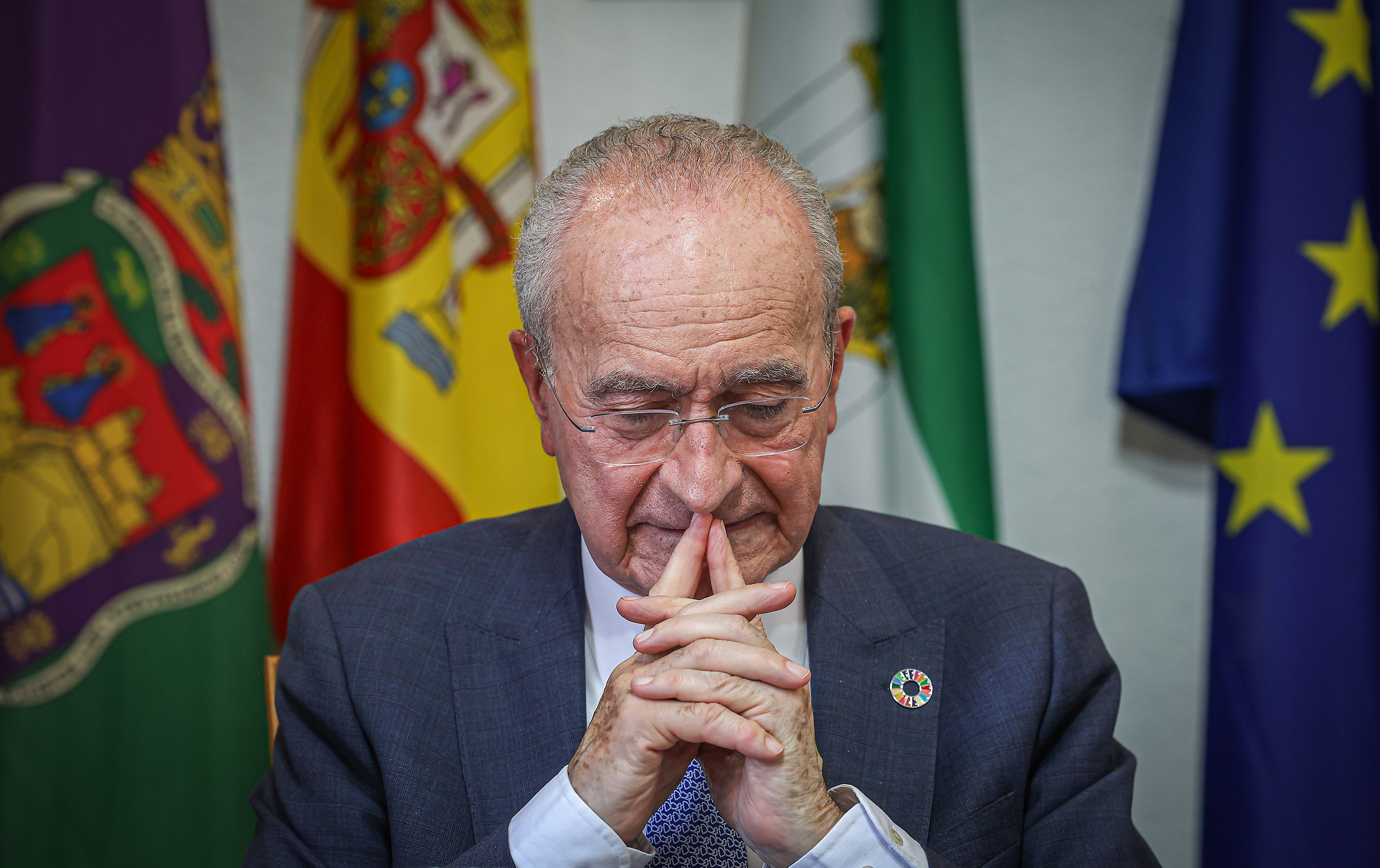
The success that has followed the development of Málaga comes not only from the conversion into a smart city but also from how the conversion was led through successful governance. A paper published by the International Social Science Journal describes governance as the development of a new method of governing in which boundaries between and within public and private actors become blurred (Stoker, 1998). Essentially, it is a collaboration in governing between government officials, the public (i.e. citizens), and the private sector (i.e. businesses). In Málaga's case, the success in its occupation of governance was the key role that the mayor, Francisco De la Torre, played during the (approximate) twenty years of transformation.
Applying a critical analysis to the University of Málaga’s paper “Málaga: In Search of its Identity as a Smart City,” it is clear to identify that the driving factor of the success was the mayor’s role. Bringing forward the city from its time as an industrial hub (in the 19th century) and a tourist economy (20th century), Mayor De la Torre recognized the existence of a strong infrastructure in the city that would allow it to break through as a global hub. The city was equipped with the third-largest airport in the nation and had a port that allowed competition in the maritime sector, as well as a subway system (Blázquez et al, 2017); upon further examination, the bones of interconnectivity were at his hands. Recognizing the necessity for change, the development of Málaga into a smart city began with the creation of the Center for Strategic Research and Economic and Social Development Foundation (CIDES). This foundation was the core of governance in the city, it combined the work of public and private institutions, some actors were the unions, the University of Málaga, business associations, and the City Council (Blázquez et al, 2017). Through this collaboration, several changes came to the city, however, the most important ones occurred between 2007 and 2014.
During this period, Málaga developed its cultural patrimonies and its entrepreneurial sector. To begin with, the city focused on establishing itself as an attractor of tourism, the way they did this was by capitalizing on the fact that acclaimed painter Pablo Picasso was born there. From this, the creation of attractions around the birthplace of Picasso paved the way to further expand the emphasis on the arts in Málaga and their importance to the cultural narrative of the city. Moreover, we see the Mayor further advancing the development of the cultural portfolio of the city. During a match of soccer between Spain’s national team and France’s team, the Mayor spoke to the French ambassador, Bruno Delaye, about Málaga’s goal of hosting a branch of the biggest museum in the world, the Louvre. Five years later, this conversation became a reality (Blázquez et al, 2017). While governance is typically the interaction of a private entity and a public, it is crucial to examine how the Mayor’s role as a private subject (i.e. by going to watch a soccer match) allowed for the expansion of the public sphere of the arts. In this case, we can argue that Mayor De la Torre’s decision to utilize his place as a private subject to advance the public’s plan is also a form of governance as it is the utilization of the private sphere for the benefit of the public sphere.
Moreover, through the institution of Málaga’s own Silicon Valley, the advancement of the goods for the private and public spheres was brought forward. During the creation of Málaga Valley, the private sector benefited through the settling of international companies in the city as it brought forward cheaper labor for the companies (thus, attracting more investment), innovation and development opportunities through partnerships with the University of Málaga, and the creation of an entrepreneurial ecosystem that provided incubators to help startups as well as the creation of Andalusia Technology Park for companies to establish their headquarters (Blázquez et al, 2017). This is not to say that the development has been perfect, the city desperately needs to improve the connectivity between public transportation and the technology park. The next step for the Mayor is to push forward public transport initiatives and to find a way to get the Delegacion de Obras Públicas y Transportes to collaborate with the private firms and citizens to improve the transportation system in a way that serves the interest of all who need to commute into the technology park. On the other hand, the public sphere benefited through the creation of labor in both the service and entrepreneurial industries, the expansion of the labor market for young people, and the development of more efficient municipal services brought forward by the innovation of Málaga Valley (Blázquez et al, 2017). Nonetheless, when companies diverted to Málaga, it was reported that they struggled to get locals to become invested in their roles within the companies and possibly become representatives of the city abroad (Blázquez et al, 2017). This strong loyalty to the city presents a challenge when it comes to expanding the Málaga mission abroad; companies want to hear from locals themselves, they want to get the real experience and understand the real challenges and benefits that the city has and it is hard to trust the testimony of someone who just moved to Málaga, as opposed to someone born and raised there. However, when it comes to representing the city the support of the mayor in this area was also crucial to bring forward this plan. The mayor demonstrated the efficiency of the governance that led Málaga’s transformation into a smart city, by once again positioning himself as a private citizen seeking to advance the public sphere. De la Torre visited Santa Rosa, California to meet with one of the companies that Málaga was pursuing to relocate to the city. While one might argue that the visit was a part of his job, it is easy to overlook the fact that the visit of the mayor itself is a crucial factor. The mayor could have easily sent over an ambassador or the Deputy Mayor for Economic Revitalization, but he did not do that; he chose to go himself. This reduces the gap between the spectrums of private and public, ultimately demonstrating that through his actions as a private citizen (choosing to be the one to talk and experience the companies in their home bases) he is working for the public good of the citizens who will benefit from the investment the companies will bring with them. Also, for those citizens who are uncertain about representing Málaga abroad, the example of the mayor’s dedication to the cause could motivate them to take the opportunities to help further connect Málaga to the rest of the world.
The active participation of Mayor Francisco De La Torre was the key to the development of Málaga into a smart city. His enthusiasm over the prospects of advancement of the city allowed collaboration between the private and public spheres, as he represented that point of balance between public and private citizen, which allowed for comprehensive governance between both sectors.
References
Berrone, P., Ricart, J. E., & Blázquez, M. L. (2017, Dec). Málaga: In Search of Its Identity as a Smart City. IESE ICC Business School University of Navarra.
Kitchin, R. (2014). The Real-Time City? Big Data and Smart Urbanism. GeoJournal, 79(1), 1-14.
Stoker, G. (1998). Governance Theory: Five Prepositions. International Social Science Journal, 50(155), 17-28.